Category: Articles

  • AA vs AAA Batteries: What’s the Difference?

    AA vs AAA Batteries: What’s the Difference?

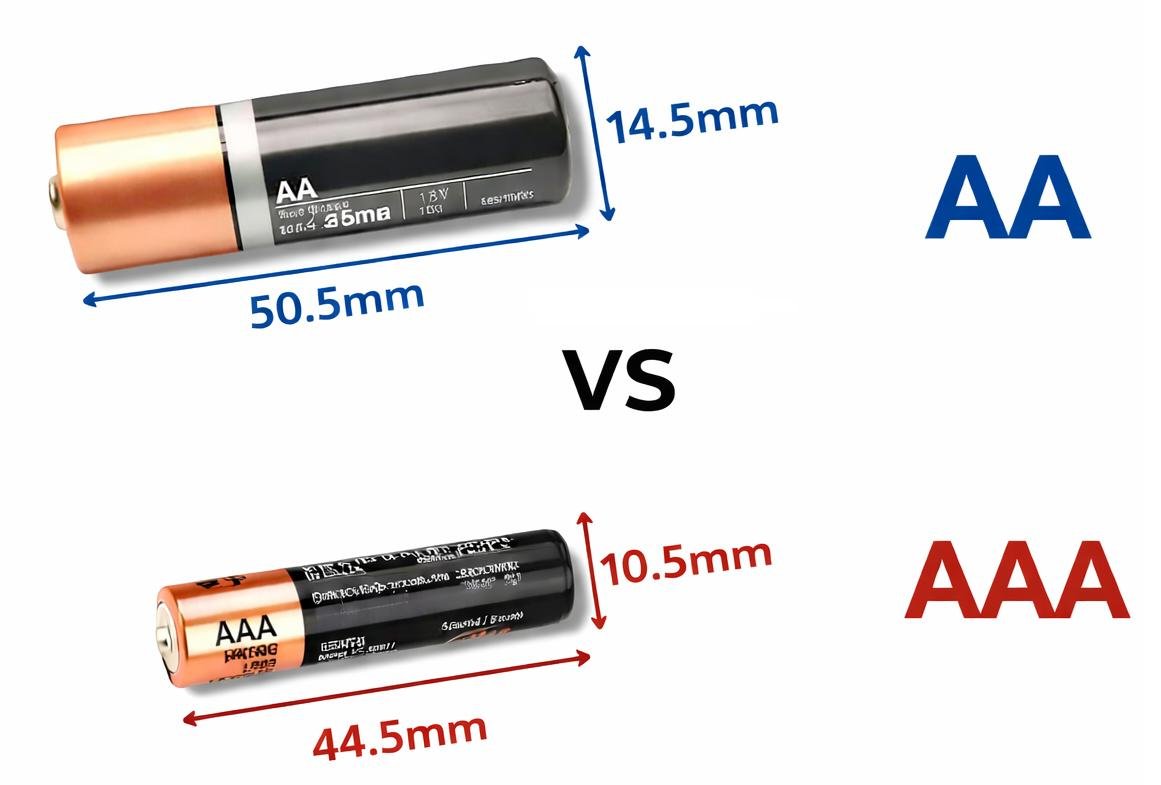
    AA and AAA batteries are two of the most common battery sizes used in household electronics. Although they serve similar purposes, their physical dimensions and typical applications differ.

    What Are AA Batteries?

    AA batteries are larger than AAA batteries and are commonly used in devices such as toys, computer accessories, flashlights and some remote controls.

    What Are AAA Batteries?

    AAA batteries are smaller and are often found in compact remote controls, wireless accessories and other devices designed for a smaller battery compartment.

    Which Battery Should You Choose?

    FeatureAA batteriesAAA batteries
    SizeLargerSmaller
    Typical useToys, flashlights, accessoriesCompact remotes, small electronics
    CompatibilityDevices designed for AADevices designed for AAA

    Always check your device’s battery compartment or user manual before purchasing replacements. AA and AAA batteries are not interchangeable unless a device specifically supports an appropriate adapter.

    Choosing the correct battery size helps ensure a proper fit and dependable operation.

  • Why Responsible Battery Recycling Matters

    Why Responsible Battery Recycling Matters

    Batteries are essential to modern life, but disposing of them incorrectly can create environmental risks. Responsible battery recycling helps recover valuable materials and reduces the amount of battery waste sent to landfill.

    Why Recycling Is Important

    Some batteries contain materials that can be recovered and reused. Recycling helps conserve resources while reducing the potential environmental impact of improperly discarded batteries.

    How to Dispose of Batteries

    Never assume household batteries belong in your general rubbish or recycling bin. Check your local council’s guidance and use an authorised battery collection point where available.

    For lithium batteries and rechargeable batteries, follow specific handling instructions. Keep damaged batteries separate and seek advice from an appropriate recycling facility.

    Make Recycling a Regular Habit

    Keep used batteries in a suitable, dry storage container away from children and metal objects until you can take them to a collection point.

    Small changes in how we handle battery waste can make a meaningful difference to resource conservation and environmental protection.

  • How to Make Your Batteries Last Longer

    How to Make Your Batteries Last Longer

    Batteries power many of the devices we use every day, from remote controls and wireless keyboards to toys and portable electronics. With a few simple habits, you can get better performance from your batteries and reduce unnecessary replacements.

    Choose the Right Batteries

    Always check your device’s recommended battery size and type. Using compatible batteries helps ensure reliable performance and prevents problems caused by unsuitable power sources.

    Store Batteries Correctly

    Keep unused batteries in a cool, dry place away from direct sunlight and extreme temperatures. Store them in their original packaging or a suitable battery case to prevent contact with metal objects.

    Replace Batteries Properly

    Follow the device manufacturer’s instructions when replacing batteries. Avoid mixing old and new batteries or different battery types in the same device.

    By choosing suitable batteries and storing them correctly, you can help your everyday devices perform reliably.